

Non-Pharmacologic Options for the Treatment of Antenatal Depression: A Quick Review
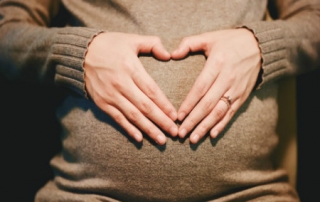
About 15% of women suffer from depression during pregnancy, and the rate of depressive illness is greater in women with pre-existing histories of depression. While there are data to support the use of certain antidepressants during pregnancy, many women are reluctant to seek pharmacologic treatment during pregnancy and may benefit from efficacious non-pharmacologic options. In a recent review article from Medscape, Christopher Tjoa and colleagues from the University of Pennsylvania summarize the literature assessing the efficacy of non-pharmacologic options for the treatment of antenatal depression.

Anxiety During Pregnancy Predicts Worse Outcomes
In treating pregnant women with mood or anxiety disorders, we tend to focus primarily on the reproductive safety of psychotropic medications; however, it must be recognized that withholding or withdrawing pharmacologic treatment for depression or anxiety during pregnancy may carry some degree of risk. Untreated psychiatric illness in the mother cannot be considered a benign event, and a number of studies have indicated that depression during pregnancy may negatively affect pregnancy outcomes (reviewed in Bonari 2004).

Depression and Anxiety: Do They Impact Infertility Treatment?
Infertility affects an estimated 10-15% of couples of reproductive age. Several studies have indicated that patients undergoing in vitro fertilization (IVF) experience high levels of stress, depression, and anxiety. Multiple risk factors for anxiety and depression during infertility treatment have been identified; these include being female, age over 30, lower level of education, lack of occupational activity, a male cause for infertility, and infertility for 3-6 years.
Antidepressants and Risk of Spontaneous Abortion
Although the last several decades of research have yielded important findings regarding the safety of antidepressants during pregnancy, some areas are still understudied. For example, there are no conclusive results concerning the risk of spontaneous abortions following antidepressant exposure during the first trimester. Several recent meta-analyses, including one from the Motherisk program (Hemels, 2005), have observed an increased risk of spontaneous abortion among women taking antidepressants.
Valproic Acid and the Risk of Major Malformations
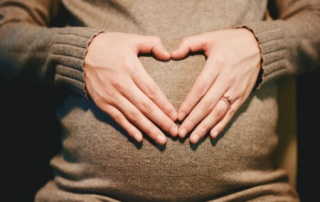
Previous studies have indicated that infants exposed to valproic acid in pregnancy are at increased risk for a range of malformations, including neural tube defects. While these studies have shown an association between valproic acid and various malformations, they have been limited in their ability to quantify the risk of certain, less common malformations. To do this, large population-based case–control studies are more appropriate.

Men Get Postpartum Depression Too
While postpartum depression (PPD) is typically considered to be a woman’s illness, a number of studies have suggested that, although men do not experience any of the dramatic physiologic or hormonal changes that go along with pregnancy, new fathers may also suffer from PPD. The most recent study was a meta-analysis published in the May 19th issue of the Journal of the American Medical Association.