



New Research from the CWMH: Progestins Do Not Negatively Affect Mood in Peri- and Postmenopausal Women
More than half of all women initiating treatment with hormone therapy will stop within the first year of treatment, most often because of side effects. Mood disturbance is a relatively common side effect that occurs with hormone therapy, and previous studies have suggested that progestins in the combined hormone preparations are responsible for these negative mood effects.

Pomegranate Seed Oil for Hot Flashes?
While phytoestrogens have gained attention as possible alternatives to hormone therapy for the treatment of menopausal symptoms, placebo-controlled studies have yielded mixed results. Pomegranate seed oil is a very rich source of phytoestrogens. In this prospective randomized, placebo-controlled, double-blinded trial, 81 postmenopausal women received two daily doses of either 30 mg pomegranate seed oil (PGS) or placebo. The frequency of hot flashes decreased by 38.7% (P < 0.001) after 12 weeks of treatment with pomegranate seed oil and by 25.6% in the placebo group (P < 0.01). However, the difference between the two groups was not statistically significant (P = 0.17). The authors suggest that it may take a longer period of observation to demonstrate a difference between pomegranate seed oil and placebo.
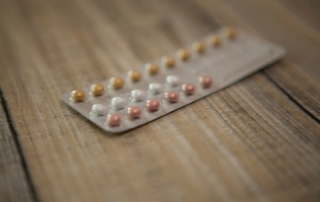
Yaz and Other Oral Contraceptives Will Carry a New Warning Label
The FDA will require Yaz, Yasmin and several other newer oral contraceptives to carry new warning labels that detail the potential risk of venous thromboembolism (VTE or blood clots). All oral contraceptives increase the risk of blood clots; however, recent studies have suggested that birth control pills containing drospirenone, a synthetic form of the hormone progesterone, may carry a slightly increased risk of VTE, compared with older birth control pills. The FDA estimates that over a one year period, 10 in 10,000 women taking an oral contraceptive with drospirenone would develop a blood clot , as compared to about 6 in 10,000 women taking older contraceptives.

Metformin May Help to Treat Menstrual Irregularities in Women Treated with Antipsychotics
Menstrual irregularity is a common side effect of antipsychotic treatment in women, occurring more commonly in those treated with risperidone and the older antipsychotic medications. New research presented at the APA earlier this month indicated that the addition of metformin at 500 mg bid resolved menstrual irregularities in most women treated with antipsychotic medications. (Metformin is a medication used alone or with other medications, including insulin, to treat type 2 diabetes.) In addition, women receiving metformin lost an average 2.4 kg of weight after 6 months of treatment.

Heavy Menstrual Bleeding More Common in Midlife Women with Histories of Depression
Menstrual problems are common among premenopausal women and become more frequent with increasing reproductive age, especially just before and during perimenopause. In the Study of Women's Health Across the Nation, a multisite study of menopause and aging, information regarding menstrual history was collected in a total of 934 premenopausal and early perimenopausal women between the ages of 42 and 52. History of major depression was associated with an increased likelihood of heavy bleeding (odds ratio, 1.89), adjusting for recent major depression, menopause status, and other confounding factors. History of depression was not associated with other abnormal bleeding or premenstrual symptoms. Future longitudinal studies are needed to explore why past depression increases the likelihood of subsequent heavy menstrual bleeding in midlife women. One possibility is that irregular fluctuations in estrogen levels may be responsible for both abnormal menstrual bleeding, as well as the dysregulation of neurotransmitter systems that mediate depressive symptoms.
Escitalopram (Lexapro) for Hot Flashes: No Significant Sexual Side Effects
Escitalopram, when used in the treatment of menopausal vasomotor symptoms, did not worsen overall sexual function among non-depressed midlife women.