


Postpartum Depression Associated with Short Stature in Children
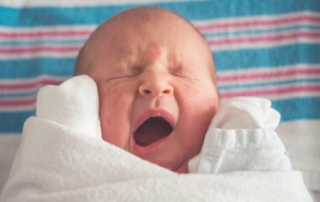
We write often here about the negative effects of postpartum depression on the child. Most of the studies thus far have focused on behavior and cognitive development; a recent study from researchers at JohnsHopkinsUniversity suggests that being exposed to maternal depression during the first year of life may negatively affect the physical development of the child as well.

Clinical Hypnosis is Effective for Menopausal Hot Flashes
In a recent randomized, single-blind, controlled, clinical trial, 187 postmenopausal women reporting at least 7 hot flashes per day received five weekly sessions of either clinical hypnosis or structured-attention control. Hot flash score were assessed by daily diaries on weeks 2 to 6 and at week 12.

FDA Approves Nonhormonal Drug for Hot Flashes: Low-Dose Paroxetine to be Marketed as Brisdelle
The FDA recently approved a 7.5-mg formulation of the selective serotonin reuptake inhibitor (SSRI) paroxetine mesylate for the treatment of hot flashes. It will be marketed under the name of Brisdelle.

ECT for Postpartum Psychosis
Postpartum psychosis is a rare but serious psychiatric illness, occurring in about 1 to 2 per 1000 women after delivery. Because postpartum psychosis carries significant risks for both the mother and her child, most women with this illness are psychiatrically hospitalized. Electroconvulsive therapy (ECT) is an effective treatment for postpartum psychosis and may reduce the risks associated with medication exposure in the nursing infant; however, very few research studies have focused on the use of ECT in this setting and it is less commonly used in the United States than in other countries. A recent study explores the safety and advantages of ECT for the treatment of women hospitalized for postpartum psychosis.

Does Estrogen Affect Antidepressant Efficacy? Data from the STAR*D Study
We previously reported on studies suggesting estrogen may be helpful for the treatment of depression in peri- and post-menopausal women, either alone or in combination with an antidepressant. In addition, other studies have suggested that older, postmenopausal women may respond more poorly to antidepressants than premenopausal women. Two recent studies attempt to better understand the impact of reproductive hormones on clinical presentation and treatment response of depression in women.

SSRIs and Benzodiazepines: Reproductive Safety of Combined Treatment
Serotonin reuptake inhibitors (SSRIs) are frequently combined with benzodiazepines for the management of anxiety disorders or major depression with comorbid anxiety. While we have data regarding the reproductive safety of both the SSRIs and benzodiazepines, we have much less information on outcomes in women taking SSRIs and benzodiazepines together. A previous study (Oberlander 2008) found that neither the use of an SSRI alone nor the use of a benzodiazepine alone increased the risk for congenital malformation; however, in this study, the combined use of the two drugs increased the risk of cardiovascular defect. A recent study reassesses the risk of major malformation in women taking SSRIs combined with benzodiazepines.