


In Brief: Most Midlife Women Get Inadequate Sleep
According to the American Academy of Sleep Medicine, adults should get 7 or more hours of sleep per night in order to avoid the health risks of chronic inadequate sleep. According to a recent study, 35.1% of women aged 40 to 59 years get fewer than the recommended 7 hours of sleep per night. The situation was affected by menopausal status; 56.0% of perimenopausal women and 40.5% of postmenopausal women. [...]

Chasteberry for PMS and PMDD
Chasteberry, the fruit of the chaste tree or Vitex agnus castus, has long been touted as a remedy for a range of reproductive problems, including premenstrual symptoms or PMS. Two recent publications have reviewed data on the use of Vitex agnus castus (VAC) for the treatment of premenstrual syndrome and premenstrual dysphoric disorder (PMDD) and discuss how VAC may be incorporated into clinical practice. Verkaik and colleagues identified 17 randomized controlled [...]
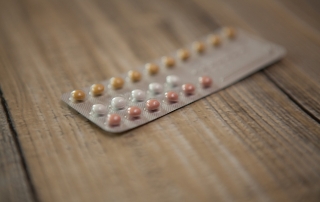
Hormonal Contraceptives and Risk for Depression and Suicide
Many women have concerns about the side effects of hormonal contraceptives, including oral contraceptives, depot preparations, and hormonal IUDs and vaginal rings. Potential side effects include bloating, breast tenderness, and weight gain. In addition, some women may experience depression or mood swings, side effects that may be particularly concerning to women with histories of depression. Despite the prevalence of hormonal contraceptive usage, few studies have explored the association between hormonal contraceptive [...]

Weekly Roundup for March 9, 2018: Recent Publications in Women’s Mental Health
The first publication on the list, from Letourneau and colleagues, is a thorough review of interventions for antenatal and postpartum depression, many of them leading to improvements in parenting and child development. Ruta Nonacs, MD PhD The effect of perinatal depression treatment for mothers on parenting and child development: A systematic review. Letourneau NL, Dennis CL, Cosic N, Linder J. Depress Anxiety. 2017 Oct;34(10):928-966. Thirty-six trials met criteria for review. [...]

In Brief: Carbs in Your Diet Do Not Increase Your Risk for PMS
It is recommended that women with premenstrual symptoms (PMS) switch to a diet including more complex carbohydrates and less sugar in order to alleviate their symptoms. While these dietary modifications may be helpful, a recent study indicates that carbohydrates in the diet is not associated with a woman's risk of developing PMS symptoms. In this study, researchers examined data from a large long-term study of female nurses between the ages of [...]

Are Mood and Anxiety Disorders More Common in Women with Polycystic Ovarian Syndrome?
Polycystic ovary syndrome (PCOS) is a common hormonal disorder, affecting about 10% of reproductive aged women. It is also the most common cause of infertility in younger women; however, many women are unaware they have PCOS until they experience problems with fertility. In our clinic, where we see women with mood and anxiety disorders, many women, probably more than the 10% observed in the general population, carry a diagnosis of PCOS. [...]