



Weekly Roundup for JUNE 15, 2018: Recent Publications in Women’s Mental Health
Each week, we take a quick look at the most recent articles published in women's mental health. Obstetrical and neonatal outcomes after benzodiazepine exposure during pregnancy: Results from a prospective registry of women with psychiatric disorders. Freeman MP, et al. Gen Hosp Psychiatry, May 2018. Infants exposed to benzodiazepines during pregnancy had an increased risk of NICU admissions and small head circumferences. Confounding from psychiatric symptoms and other variables cannot be [...]

Brexanolone: A New Drug for Postpartum Depression
In 2015, we first reported on SAGE-547 (SAGE Therapeutics), a new medication for the treatment of severe postpartum depression (PPD). SAGE-547, now called brexanolone, is an allosteric modulator of GABAA receptors. This drug was initially under investigation for the treatment of refractory seizure disorders but it turned out to be a good antidepressant. Sage Therapeutic’'s Hummingbird Phase 3 Program consisted of two phase 3 randomized, placebo-controlled trials to evaluate the efficacy, [...]

Weekly Roundup for JUNE 8, 2018: Recent Publications in Women’s Mental Health
It’s been a while since we posted a weekly roundup. Now that the new website is up, we are back on track. In one of the few studies assessing the physical and cognitive development of infants exposed to psychotropic medications in breast milk, Kronenfeld and colleagues observed normal growth and development in exposed infants. In a study from Park et al, use of certain atypical antipsychotic agents (quetiapine and olanzapine) during [...]
Predictors for New-Onset Severe Postpartum Psychiatric Disorders
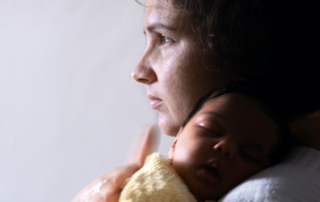
A history of maternal psychiatric illness has been linked to postpartum depression (PPD), but this does not account for all instances of postpartum psychiatric illness. A recent study examined the impact of medical complications during pregnancy and/or childbirth on PPD and postpartum acute stress reactions (i.e., symptoms of post-traumatic stress disorder that last less than one month) in women with no history of perinatal or non-perinatal mood disorders. Using the Danish [...]
Introducing Our New Website, June 2018
Soon after the Center for Women’s Mental Health was established in 1989, we started receiving phone calls (followed by emails) from women and their treaters seeking information regarding the safest way to treat psychiatric disorders during pregnancy and the postpartum period. Over the years we tried to respond to as many of those queries as possible by fielding questions from patients and colleagues and sending out relevant articles. But that was [...]

Breastfeeding and Marijuana: What’s Safe?
We continue to see more and more women of reproductive age using marijuana in various forms. According to research published in the Journal of the American Medical Association, there has been a significant increase in the use of marijuana among pregnant women over the last decade. Among all pregnant women, the prevalence of marijuana use increased from 2.37% in 2002 to 3.85% in 2014. Marijuana use was the highest in women [...]