



In This article
- Endometriosis affects up to 10–15% of reproductive-age women and is linked to chronic pain, sexual dysfunction, and infertility.
- Systematic reviews show high rates of anxiety and depressive symptoms in women with endometriosis.
- A recent population-based cohort study found a higher risk of postpartum depression among women with endometriosis, partly mediated by prior major depression.
- Large health system data suggest prepregnancy endometriosis is associated with increased postpartum mood disturbance, anxiety, and OCD diagnoses.
- Clinicians should recognize endometriosis as a risk factor for perinatal mood and anxiety disorders and prioritize pain management and tailored mental health care.
March is Endometriosis Awareness Month, and is an opportunity to review the mental health consequences of this disorder.
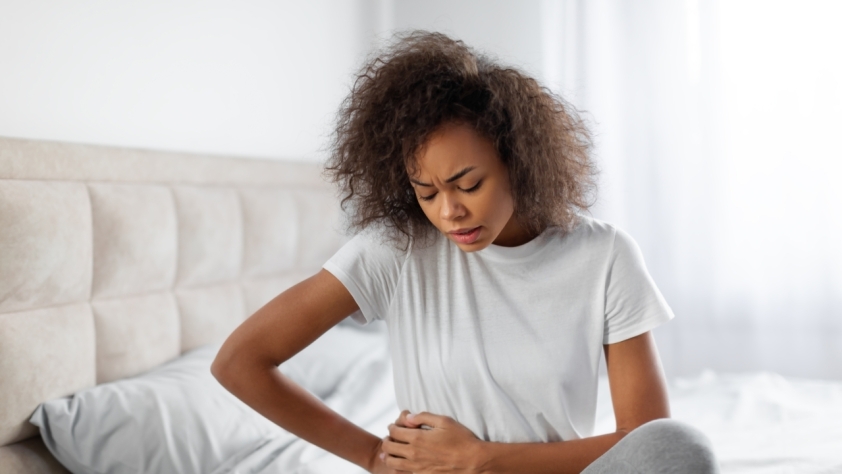
Endometriosis is defined by the presence of endometrium-like tissue outside the uterus and is associated with a wide array of symptoms, including dysmenorrhea (painful menstruation), dyspareunia (painful intercourse), chronic pelvic pain (CPP), sexual dysfunction, and reduced fertility. Epidemiologic studies suggest that 10–15% of reproductive-age women have endometriosis. Estimates from the American Society for Reproductive Medicine (ASRM) suggest that 30–50% of women with endometriosis experience infertility at some point.
In this population, psychological distress related to endometriosis is common and is related to alterations of body image, grief and loss, hopelessness, and feelings of worthlessness. Previous studies have identified higher rates of anxiety and depression in women with endometriosis; however, it is not clear whether women with endometriosis are more vulnerable to perinatal depression.
Depression and Anxiety Common in Women with Endometriosis
Multiple systematic reviews and meta-analyses show that women with endometriosis have higher rates of depression and anxiety symptoms, poorer psychological functioning, and overall lower quality of life than women without endometriosis.
The most recent review and meta-analysis (2021) included a total of 34 articles, 15 of which were included in the meta-analysis. Anxiety and depression symptoms were the most commonly reported mental health outcomes, and a pooled analysis also revealed high prevalence of chronic pelvic pain and dyspareunia.
The prevalence of anxiety symptoms among those with endometriosis was 31.8%. Women with endometriosis were 2.8 times as likely to report significant anxiety symptoms compared to women without endometriosis.
The prevalence of depressive symptoms among women with endometriosis was 28.9%. Interestingly, the meta-analysis did not reveal a higher prevalence of depression among women with endometriosis compared to women without endometriosis.
Chronic pelvic pain was common, with a pooled prevalence for CPP of 57.2%. Dyspareunia was also prevalent and was reported by 54.9% of women with endometriosis.
Evidence Specific to Perinatal Depression and Anxiety
Women with endometriosis have a higher burden of anxiety and depression. Whether they are at increased risk of postpartum depression (PPD) has been less clear. A recent study addressed this question, comparing the risk of PPD between women with and without endometriosis and exploring potential mediation by previous history of major depression and infertility.
In this population-based cohort study from Johansen and colleagues, researchers compared outcomes in 1,159 pregnancies to women with self-reported endometriosis and 74,590 pregnancies to women without endometriosis. Women with endometriosis had a higher risk of PPD (aRR: 1.34, 95% CI: 1.15-1.55), adjusting for age, body mass index, education, and income.
Mediation analyses assessed the indirect effect of any history of major depression or infertility, revealing that a large part (about half) of the association between endometriosis and PPD could be explained by a higher lifetime prevalence of major depression among women with endometriosis, although a direct effect of endometriosis remained after adjusting for history of MDD. Interestingly, infertility demonstrated a negative indirect effect on the association between endometriosis and PPD (aRR: 0.87, 95% CI: 0.81-0.94).
An earlier meta-analysis indicated that chronic pain seems to be the primary driver of the association between endometriosis and depression; in fact, rates of depression were similar between women with pelvic pain and endometriosis and women with pelvic pain but no endometriosis.
In another study presented at the annual meeting of the American Society for Reproductive Medicine in 2024, Tina Yi-Jin Hsieh, MD, and colleagues compared rates of postpartum depression, anxiety, mood disturbance (temporary low or anxious mood requiring no treatment), and obsessive-compulsive disorder (OCD) diagnoses in over 200 million women who had given birth between 2005 and 2023 across 67 healthcare organizations.
During the first year postpartum, women with prepregnancy endometriosis were more likely than women without endometriosis to experience postpartum mood disturbance, postpartum anxiety, and PPD. They were also 1.26 times more likely to be diagnosed with OCD.
Why are women with endometriosis more vulnerable to postpartum mental health symptoms? It’s complicated. Researchers hypothesize that several overlapping factors contribute to increased vulnerability: chronic pain and functional impairment, inflammatory pathways, altered HPA axis activity, stress related to subfertility and infertility, and high baseline rates of mood and anxiety disorders in women with endometriosis. During pregnancy and the postpartum period, changes in the endometriosis treatment regimen, fluctuating hormones, and obstetric complications also play an important role.
Clinical Implications
While the current data indicate that women with endometriosis are more vulnerable to postpartum mood and anxiety disorders, there is a clear need for more research in this area. We must better define risk factors for perinatal mood and anxiety disorders in women with endometriosis, identify protective factors, and develop individualized, personalized care plans that would improve outcomes.
Although not carried out in women with endometriosis, previous research has documented that poorly managed pain at labor and delivery and during the postpartum period may heighten vulnerability to postpartum depression. For women with endometriosis, having a thorough discussion of pain associated with childbirth and developing a solid pain management plan may be an important target for minimizing distress during the postpartum period and perhaps reducing the risk of PPD in this population reporting high levels of chronic pain.
—Ruta Nonacs, MD PhD


![By Vera Kratochvil [Public domain], via Wikimedia Commons](https://womensmentalhealth.org/wp-content/uploads/2015/06/Mother_Kissing_Baby-700x441.jpg)
