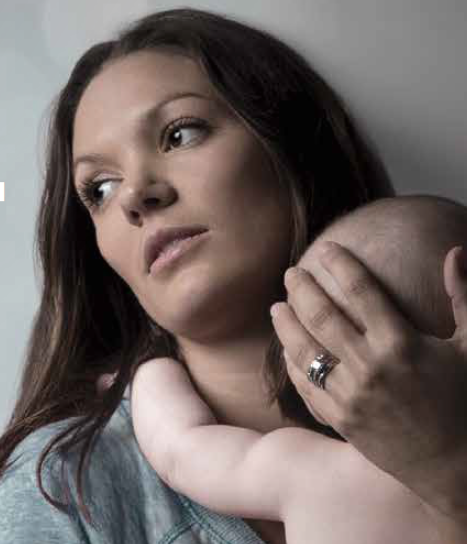



Perinatal mood and anxiety disorders affect about one in 10 fathers. While a significant proportion of fathers may experience mental health problems, depression and anxiety in this population frequently go undiagnosed and uncreated. Social stigma and men’s reluctance to seek help may help to exacerbate this problem. A recent review from Schöch and colleagues takes a closer look at screening for perinatal mood and anxiety disorders in fathers.
Exactly How Common Are Paternal Mental Health Problems?
The review identified significant variation in the reported prevalence rates of paternal mental health problems across the included studies. According to a review encompassing 52 studies, prevalence rates ranged from as low as 1.8% to as high as 47%, with a mean prevalence of 11.9%. The observed variation in prevalence rates may be related to the screening tool used, diagnostic criteria used, and the timing of the assessment. The authors also note different prevalence rates in different countries, a finding that may reflect differences in cultural norms and expectations that shape how fathers perceive and report their feelings.
Studies have highlighted a number of demographic risk factors, including lower education levels, low socioeconomic status, a family with three or more children, and single or widowed marital status. In addition, a history of psychiatric treatment, unintended pregnancy, and unstable employment situations increased the father’s risk for perinatal mental health problems.
What Instruments are Used for Screening?
Most studies use the Edinburgh Postnatal Depression Scale (EPDS) to measure depressive symptoms in fathers. The authors suggest that using this tool designed to detect perinatal depression in women may underestimate the prevalence of depression in men because men are less likely to report traditional symptoms of depression and may express depression differently than women — for example, by engaging in harmful coping behaviors, including aggression, substance use, and suicide. Thus, using screening tools like the EPDS to screen for depression in fathers may give an inaccurate picture of their mental health.
Another consideration is that fathers may experience increased expectations and responsibilities after the birth of a child, as they transition to providing childcare and taking on housework, while also being perceived as the main income provider while their partner is a primary child care provider. The authors point out that balancing family life and work demands may lead to stress or distress more often than depression. Distress is more typically characterized by feelings of being overwhelmed, helplessness, anxiety, irritability, and using avoidant/escapist activities (e.g., sports, overworking, excessive time on internet/TV, gambling, substance use), symptoms that may not be adequately captured by traditional depression screening tools.
Barriers to Identifying Perinatal Mental Health Problems in Fathers
The authors also outline obstacles to the acceptability of screening for mental health problems in fathers. Key issues included gendered perceptions about fatherhood and the acceptability of help-seeking behaviors in this setting. Some fathers hesitated to seek help due to cultural and social stigma; others reported that they would only discuss their mental health if the health visit focused on them, as well as their partner. Providers note the inadequacy of knowledge and confidence in screening for mental health problems in fathers, time constraints, and the lack of resources, including screening tools, training, and referral pathways.
Recommendations
This review highlights the critical need for validated and culturally sensitive screening tools to detect perinatal natal mental health issues in fathers. A broader research effort is required to develop and validate screening tools and to improve our understanding of perinatal mood and anxiety disorders in fathers. Improved sensitivity in these screening instruments is essential for detection and treatment.
The authors also indicate that the inclusion of risk factors associated with paternal mental health problems should be considered when developing screening tools for fathers. More specifically, they point to a comprehensive meta-analysis identifying maternal depression as the most robust predictor of paternal postpartum depression. Additional important risk factors include history of depression, infant sleep problems, perceived lack of social support, challenging economic circumstances, and inability to access paternity leave.
A key challenge in identifying fathers with perinatal mental health problems is that fathers are not always fully integrated into the provision of perinatal health services. While universal screening is recommended for mothers during pregnancy and the postpartum period, it may be more difficult to screen their partners. Furthermore, we do not have clear information on the optimal time of screening. In terms of medical encounters and the provision of services, the authors note that it would be beneficial to widen the dyadic mother-infant perspective to include the father or partner in the integrated delivery of services.
Routine screening for paternal perinatal mental health problems may help to educate fathers that they too are susceptible to mood and anxiety disorders during pregnancy and the postpartum period and may encourage them to seek support and treatment, if needed. However, some researchers have raised ethical concerns. Routine screening of fathers may help to identify those that suffer from perinatal mental health problems; however, some have raised ethical concerns about the process of screening in the absence of well-defined support services and referral pathways.
While more research in this area is clearly needed, neglecting the mental health needs of new fathers not only negatively affects the well-being of fathers, but may also have a profound and long-lasting impact on their families, children and their own self-esteem as they transition into their new role as a parent.
Ruta Nonacs, MD PhD
References
Schöch P, Hölzle L, Lampe A, Hörtnagl C, Zechmeister-Koss I, Buchheim A, Paul JL. Towards effective screening for paternal perinatal mental illness: a meta-review of instruments and research gaps. Front Public Health. 2024 Jun 25; 12:1393729.