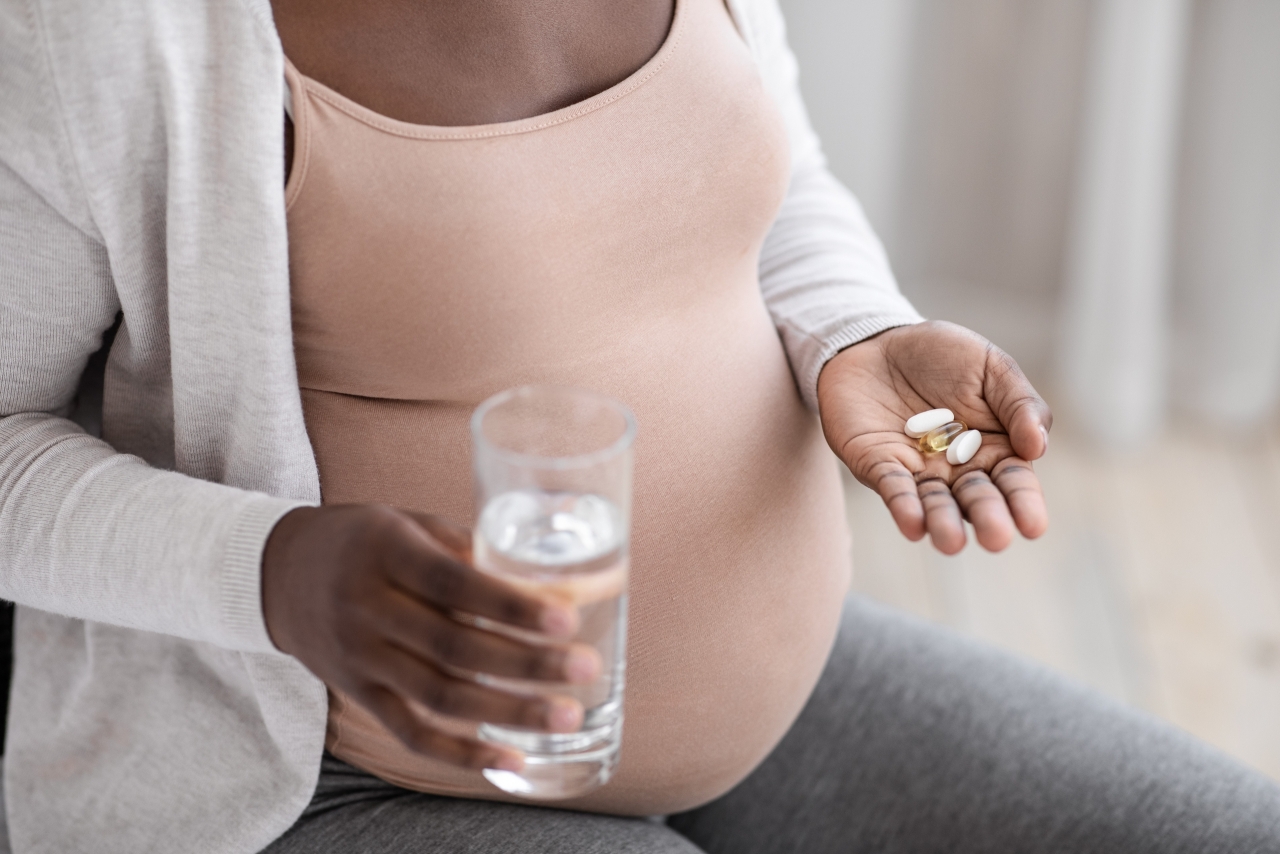


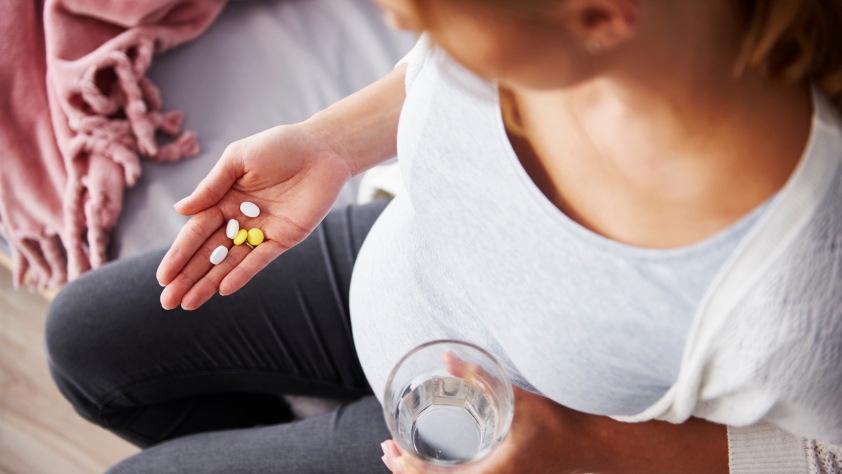
For individuals with opioid use disorder, buprenorphine combined with naloxone (for example, Suboxone) is commonly used to treat opioid use disorders. During pregnancy, however, it is typically recommended that women use buprenorphine alone (Subutex) because of limited reproductive safety data on the combination product. A new study from Straub and colleagues compares the safety of using buprenorphine and naloxone during pregnancy versus using buprenorphine alone.
In this population-based cohort study, researchers analyzed data from Medicaid-insured beneficiaries in between 2000 and 2018. The analysis identified pregnant individuals who were linked to their liveborn infants and included 3369 pregnant individuals exposed to buprenorphine combined with naloxone and 5326 exposed to buprenorphine alone during the first trimester.
The study assessed several outcomes, including major congenital malformations, low birth weight, neonatal abstinence syndrome (NAS), admission to the neonatal intensive care unit (NICU), preterm birth, respiratory symptoms, small for gestational age, cesarean delivery, and maternal morbidity.
Slightly Better Outcomes with Buprenorphine Combined with Naloxone
Across the outcomes studies, the findings indicate similar and, in some instances, more favorable neonatal and maternal outcomes for pregnancies exposed to buprenorphine combined with naloxone versus buprenorphine alone.
Risk of Neonatal Abstinence Syndrome: There was a significantly lower risk of NAS in infants exposed to buprenorphine with naloxone compared to those exposed to buprenorphine alone (37.4% vs 55.8%, respectively).
NICU Admission and Small for Gestational Age: There was a modestly lower risk for NICU admission and being small for gestational age in the buprenorphine with naloxone group.
Maternal Morbidity: No significant difference was found in maternal morbidity between the two groups.
Other Outcomes: No significant differences were observed with regard to risk for major congenital malformations, low birth weight, preterm birth, respiratory symptoms, or cesarean delivery.
Clinical Implications
In this large observational study, the researchers observed similar and, in some instances, more favorable neonatal and maternal outcomes in 3369 pregnancies exposed to buprenorphine combined with naloxone compared to 5326 pregnancies exposed to buprenorphine alone. The study supports the use of both formulations as viable options for treating opioid use disorder during pregnancy.
The findings are consistent with other studies and reviews supporting the use of buprenorphine-naloxone during pregnancy, noting no serious adverse maternal or neonatal outcomes. In fact, these studies have demonstrated that treatment with buprenorphine-naloxone during pregnancy was associated with reduced NAS severity and better pregnancy outcomes compared to methadone.
The use of buprenorphine-naloxone is an important element of harm reduction strategies , and it has been shown to help reduce illicit opioid use during pregnancy. Overall, the evidence suggests that buprenorphine combined with naloxone is a safe and effective treatment for opioid use disorder in pregnant individuals, offering flexibility in treatment options and potentially improving neonatal outcomes.
Ruta Nonacs, MD PhD
References
Straub L, Bateman BT, Hernández-Díaz S, Zhu Y, Suarez EA, Vine SM, Jones HE, Connery HS, Davis JM, Gray KJ, Lester B, Terplan M, Zakoul H, Mogun H, Huybrechts KF. Comparative Safety of In Utero Exposure to Buprenorphine Combined With Naloxone vs Buprenorphine Alone. JAMA. 2024 Aug 12:e2411501.
Ordean A, Tubman-Broeren M. Safety and Efficacy of Buprenorphine-Naloxone in Pregnancy: A Systematic Review of the Literature. Pathophysiology. 2023 Feb 11; 30(1):27-36.