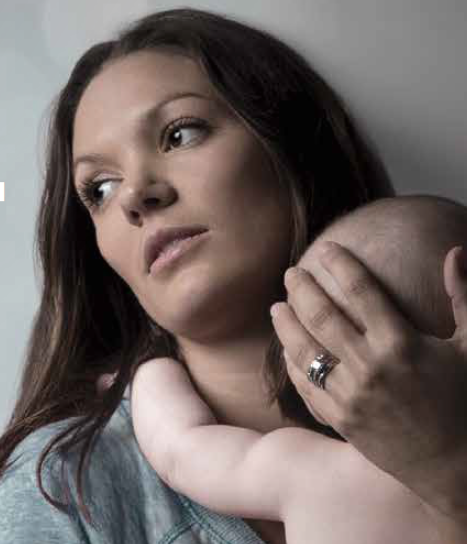



The off-label use of ketamine, originally marketed as an anesthetic, has increased significantly for the management of treatment-resistant depression, post-traumatic stress disorder, and other psychiatric disorders. Over the past few years, the number of ketamine clinics has risen dramatically. According to Grand View Research, there are now between 500 and 750 for-profit ketamine clinics across the United States. Given that women of child-bearing age constitute the majority of patients seeking treatment for psychiatric disorders, there is an urgent need for data regarding the reproductive safety of commonly used psychiatric medications, including ketamine.
At the current time, the use of ketamine is contraindicated in pregnancy given the lack of knowledge with regard to its reproductive safety. A recent study published in the Journal of Clinical Psychiatry characterizes current clinical practices specific to the use of ketamine during pregnancy for the treatment of psychiatric illness.
In this study, online surveys were sent to outpatient ketamine clinics across the United States inquiring about their practices related to pregnancy. Responses were collected between September and November 2023. Complementing the surveys, the researchers conducted a retrospective review of medical records to ascertain the frequency of pregnancy testing and contraception use with ketamine treatments administered at a large academic health system.
This is what the researchers found:
- Less than half of survey respondents specifically discuss risks related to ketamine exposure during pregnancy as part of the informed consent process.
- 20% of clinics require pregnancy tests prior to treatment, and 10.5% require subsequent testing during treatment
- 22.9% of clinics do not have a standardized process for pregnancy testing
- Only 13.7% of clinics specifically recommend or require use of contraception
Looking more closely at the actual practices of a ketamine clinic located at an academic medical center, a retrospective record review revealed that all patients who received intravenous ketamine for psychiatric indications were pregnancy tested weekly; however, only half were using contraception during treatment.
Sign up for our newsletter
Get the latest news in women’s mental health and our research.
"*" indicates required fields
Improving Care for Women of Childbearing Age
We are by no means at a place where we would recommend the use of ketamine during pregnancy given the absence of data supporting its reproductive safety. Preliminary animal studies suggest potential risks of ketamine exposure during pregnancy, and we lack data on the reproductive safety of ketamine and esketamine in humans. However, this article highlights important gaps in the treatment of reproductive-aged women, including inconsistencies in pregnancy testing, informed consent, and contraception practices among ketamine clinics in the United States.
Because half of all pregnancies are unplanned, discussion regarding the use of specific medications during pregnancy should take place long before conception. Any prescription given to a woman with childbearing potential should be accompanied by a discussion of current contraceptive practices and a review of what is known (or more commonly, not known) about the reproductive safety of a particular medication. While the current study indicates that this information is not consistently incorporated into the informed process content in ketamine clinics, it is likely that many providers in other settings who treat women of childbearing age do not routinely discuss the reproductive safety of medications and the importance of effective contraception.
In an accompanying article, Dr. Marlene Freeman from the MGH Center for Women’s Mental Health discusses the importance of reproductive pharmacovigilance and best practices in psychiatry, particularly focusing on the use of ketamine and esketamine for treating depression in women of reproductive age. Dr. Freeman emphasizes the critical need for establishing best practices for women of reproductive age who are using ketamine and esketamine, especially given the current variability in abortion access in the United States. She points out that most new medications, including ketamine, lack comprehensive pregnancy safety data, making it challenging for women to make informed treatment decisions.
She also highlights the Massachusetts General Hospital (MGH) National Pregnancy Registry for Psychiatric Medications as a valuable resource for gathering data on pregnancy outcomes after medication exposures. Dr. Freeman calls for increased attention from individual providers, healthcare systems, federal agencies, and pharmaceutical companies to support rigorous ascertainment of pregnancy outcomes. This information is crucial for enabling women to make personalized, informed decisions about their psychiatric treatment during pregnancy.
Ruta Nonacs, MD, PhD